I had never heard much about Sir John Vanbrugh before I visited Seaton Delaval Hall. I certainly did not expect that a summer day out with my children would leave me thinking about a man who lived more than 300 years ago.
We went there as part of a small summer trip organised by Northumberland Sanctuary. It was simply one of the places the charity had arranged for us to visit, and I had no idea what I was going to discover. But when I arrived, something changed.
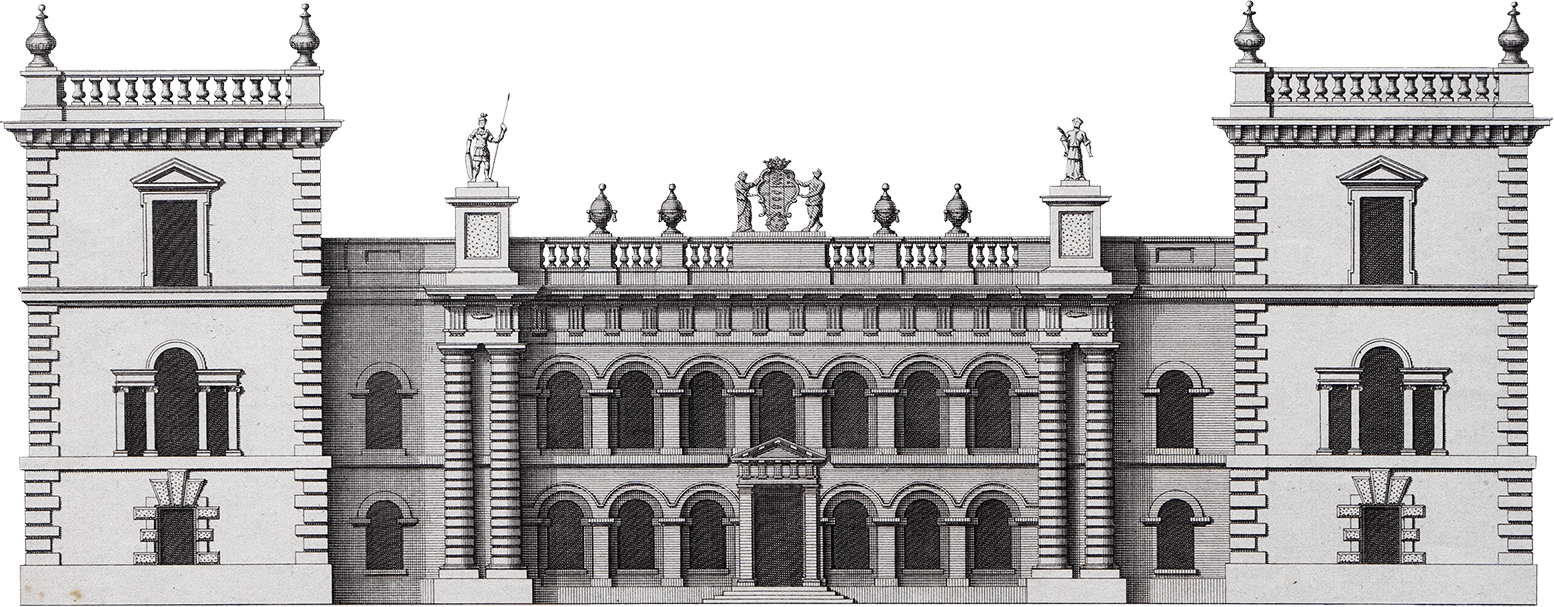
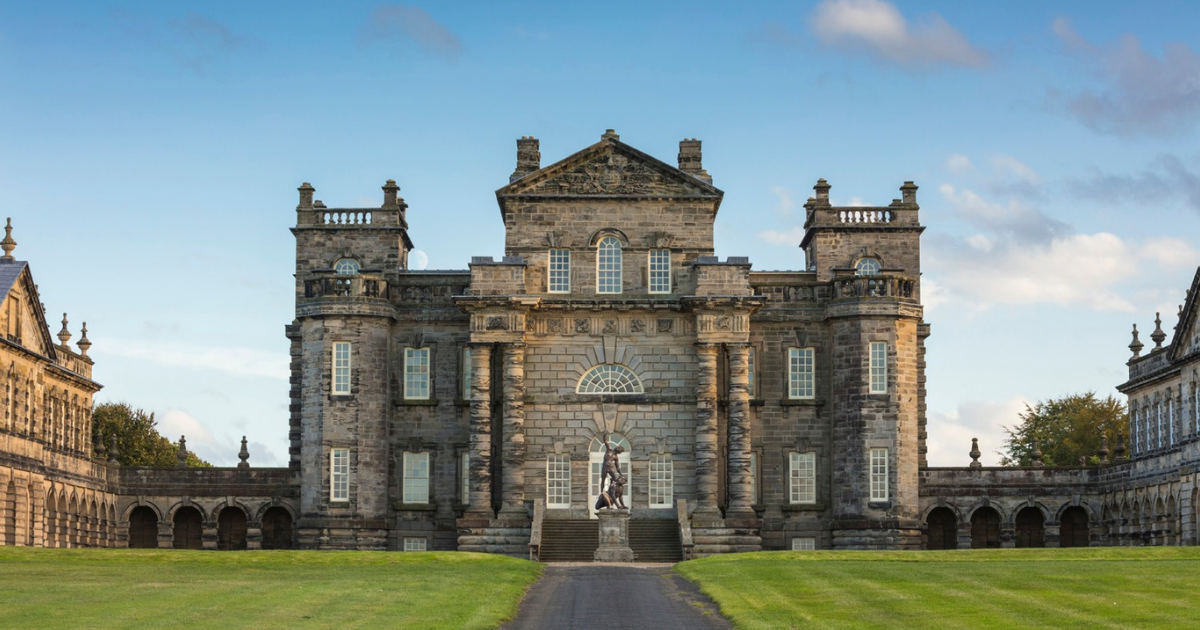
The building immediately caught my attention. It was enormous, old, powerful and strangely beautiful. I walked around the whole place, looking at its architecture and wondering: How did one person imagine something like this? How did they make it so strong? What would he have designed if he had access to modern engineering and technology? I had so many questions in my head that our tour guide, Sarah, simply could not answer them all at the time.
I went inside and saw rooms divided into different spaces. I found myself wondering what each room had once been used for and who had stood there hundreds of years ago. For a moment, history did not feel like something I was reading about. It felt like I had stepped into it.
When I got home, the questions did not leave me. I ran to my laptop because I needed to understand. Who was this man? Why was this place built? Who was it built for? How had they managed to create something like this more than 300 years ago?
The more I discovered, the more amazed I became. People more than three centuries ago had this level of imagination, intelligence, engineering and craftsmanship. It even made me think about my own country, Uganda, and the buildings we see today. I found myself wondering: if people could create something this ambitious and enduring 300 years ago, surely modern technology should allow us to build even better and safer today. Surely a building should not be collapsing when we have knowledge and technology that people three centuries ago could only have dreamed of.
That thought stayed with me.
There was also something unexpectedly familiar about the place. I grew up with a connection to African farm life, so seeing the open fields and horses nearby gave me a feeling I did not expect to have in Northumberland. Among all the history, architecture and grandeur, there was something familiar. I felt connected to the landscape.
My children and I enjoyed the beautiful grounds, flowers and huge open spaces. We had fun together, but I was quietly lost in another world at the same time — imagining the people who had lived there and the lives that had unfolded within those walls.
What interests me most about Vanbrugh is his creativity and ambition. He did not seem afraid to think on a huge scale. I arrived knowing almost nothing about him. I left with questions about architecture, engineering, history and what human beings are capable of imagining.
Perhaps that is Vanbrugh's greatest achievement. Nearly 300 years later, his building made a complete stranger stop, wonder, go home and search for answers — and, for a little while, dream about what we might still be capable of building.
 Back to homepage