Using money raised by National Lottery players, The National Lottery Heritage Fund supports projects that connect people and communities with the UK’s heritage. Vanbrugh 300 is made possible with The National Lottery Heritage Fund. Thanks to National Lottery players, we have been able to develop a nationwide project that aims to broaden the awareness of Vanbrugh through special displays, free education programmes and lectures, throughout his tercentenary year in 2026.
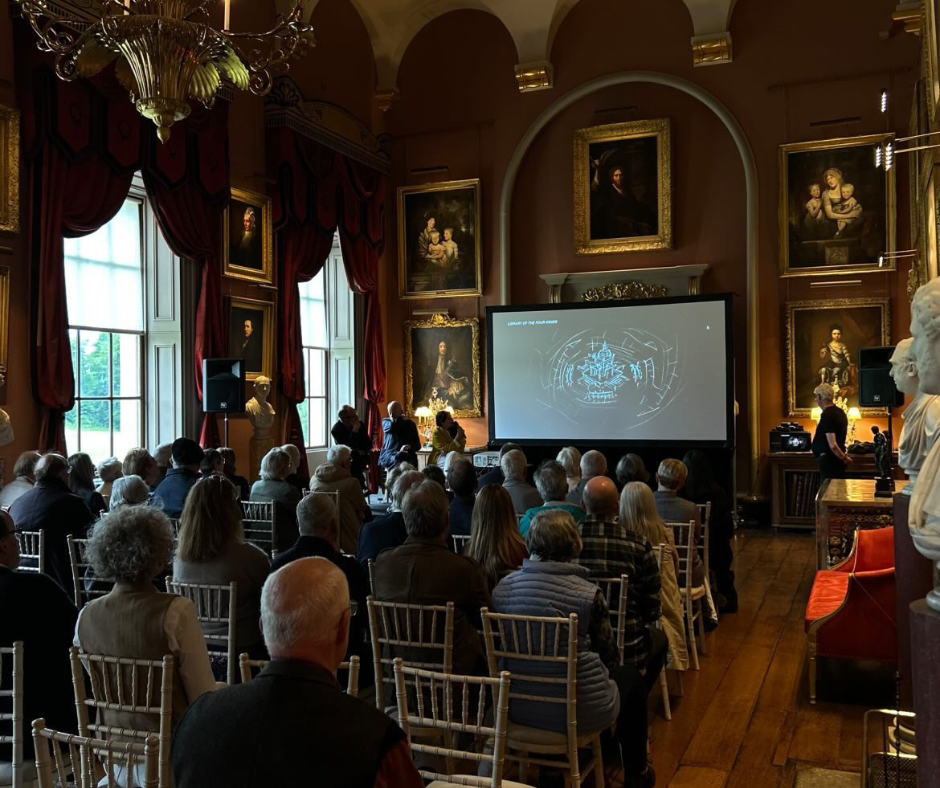
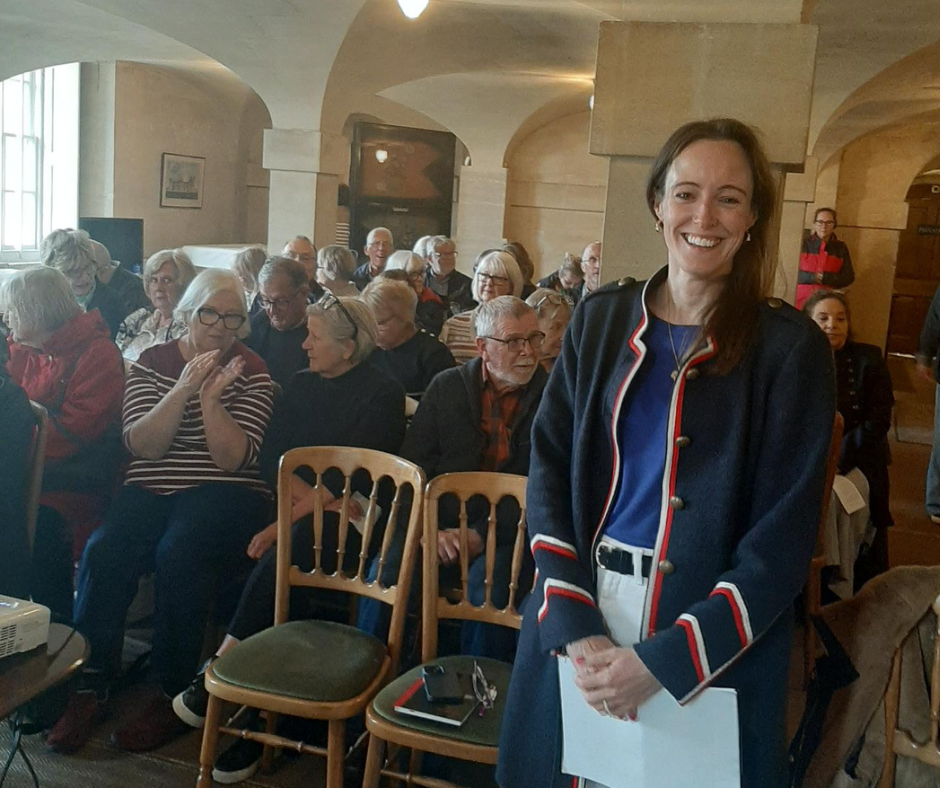
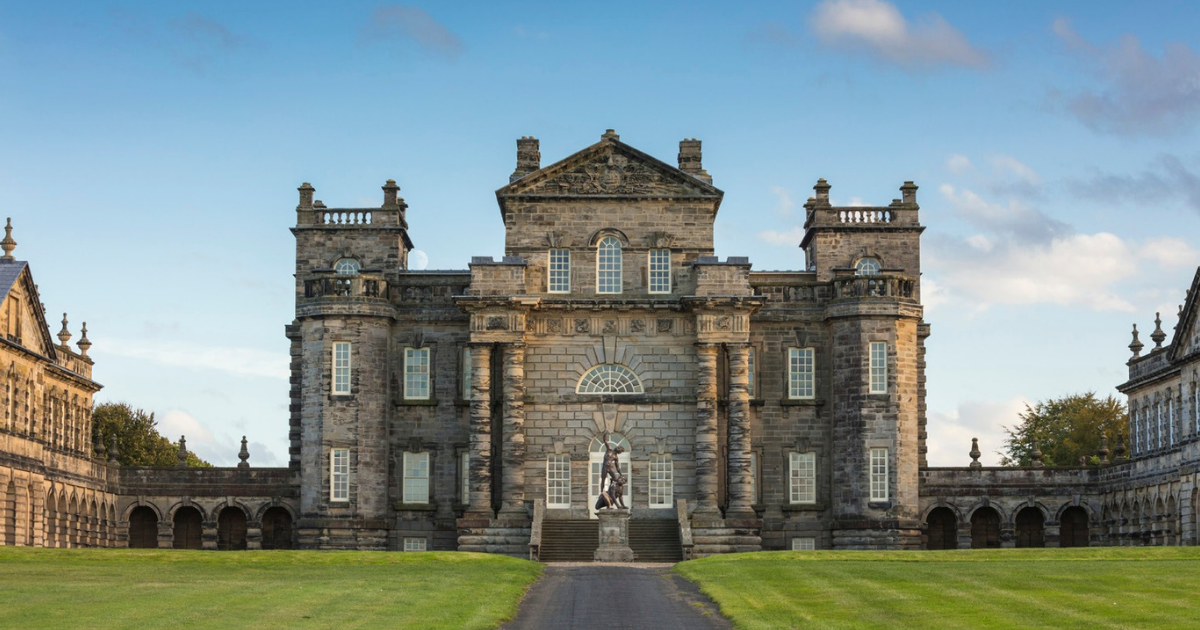
As part of the Vanbrugh300 celebrations, a series of free lectures will be presented at six of his finest creations; Blenheim Palace, Castle Howard, Grimsthorpe Castle, Kimbolton Castle, Seaton Delaval Hall and Stowe House.
The VANBRUGH 300 Lecture Series – made possible by the National Lottery Heritage Fund and presented by The Georgian Group – will explore the many areas of Vanbrugh’s fascinating life and astonishing legacy. Variously described as a Whig, a wit and a wag, Vanbrugh makes an alluring subject for the lectures, which will be presented in several ways, ranging from ‘in conversation’ evenings, panel discussions and traditional talks, free to attend.
Find out more below.
Blenheim Palace
Thursday 7 May 6pm
Blenheim Palace’s evening lecture in the Long Library will feature Lady Henrietta Spencer-Churchill alongside an expert panel including Professor Christine Stevenson, Jeremy Musson, Edward Lewis, who is leading the restoration, and Adrian Attwood of DBR, a specialist conservation company. Together they will reflect on the life and work of Sir John Vanbrugh, the principal architect of Blenheim Palace. The talk will discuss his sometimes-tempestuous client relationship with Sarah Churchill (1660-1744), first Duchess of Marlborough and reflect on discoveries made during the current, on-going restoration of the magnificent house.

Grimsthorpe Castle
Thursday 11 June 2:30pm
Step back into the 1700s and into the most important room in Britain: the country house dining room. In this engaging talk The Theatre of the Feast: Power and Excess in the Georgian Dining Room, Dr. Amy Boyington pulls back the velvet curtains on the ‘theatre of the feast’ to reveal how the Georgian elite used architecture, art, and an almost religious devotion to excess to cement their social standing. Explore the high-stakes political dining of the Kit-Cat Club, where Sir John Vanbrugh’s ‘Castle Style’ architecture provided a literal fortress for Whig power and legendary toasts. From the Gothic drama of Lord Byron’s wine-filled human skulls and the scandalous glitter of silver bought with bribes, to the visceral reality of Parson Woodforde’s ‘maggoty ham’ and drunken pigs, Amy explores the dining room as a pivotal engine room of society.
Tickets for this lecture are included with admission, as the talk takes place during normal opening hours.

Stowe House
Thursday 11 June 6pm
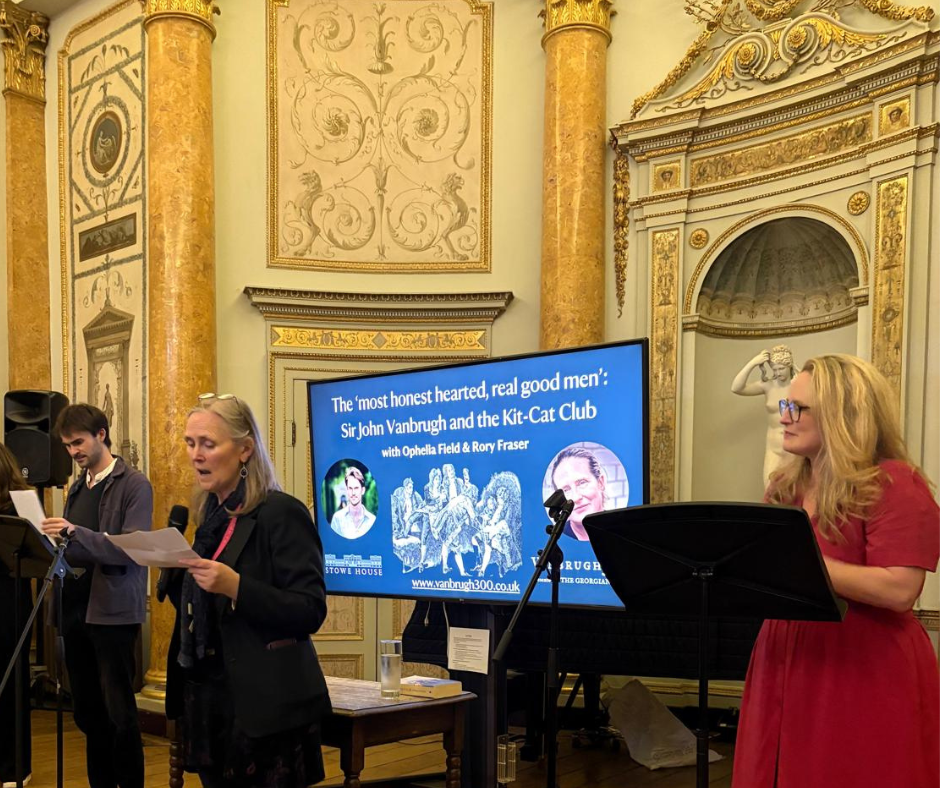
At Stowe House, author Ophelia Field and Vanbrugh biographer Rory Fraser will focus on the Kit-Cat Club and its under-appreciated centrality to Vanbrugh’s eclectic career and British culture in their talk The ‘Most Honest Hearted, Real Good Men’: Sir John Vanbrugh and the Kit-Cat Club. Vanbrugh joined publisher Jacob Tonson’s (1655-1736) Kit-Cat Club soon after his play The Relapse debuted on the London stage in late 1696, remaining a member until the Club dissolved in the 1720s, and retained a deep fondness for its fellowship and friendships until the end of his life. Several key steps in his surprising career depended upon the patronage of aristocratic club members, and this was no accident. Tying the story of the Club’s evolution and Vanbrugh’s involvement over several decades to the Stowe landscape, as developed by Kit-Cat member Richard Temple, 1st Viscount Cobham (1675-1749), this in-conversation event will surface historical connections, conundrums and heated rivalries.
This event has sold out.

Castle Howard
Saturday 13 June 5:30pm
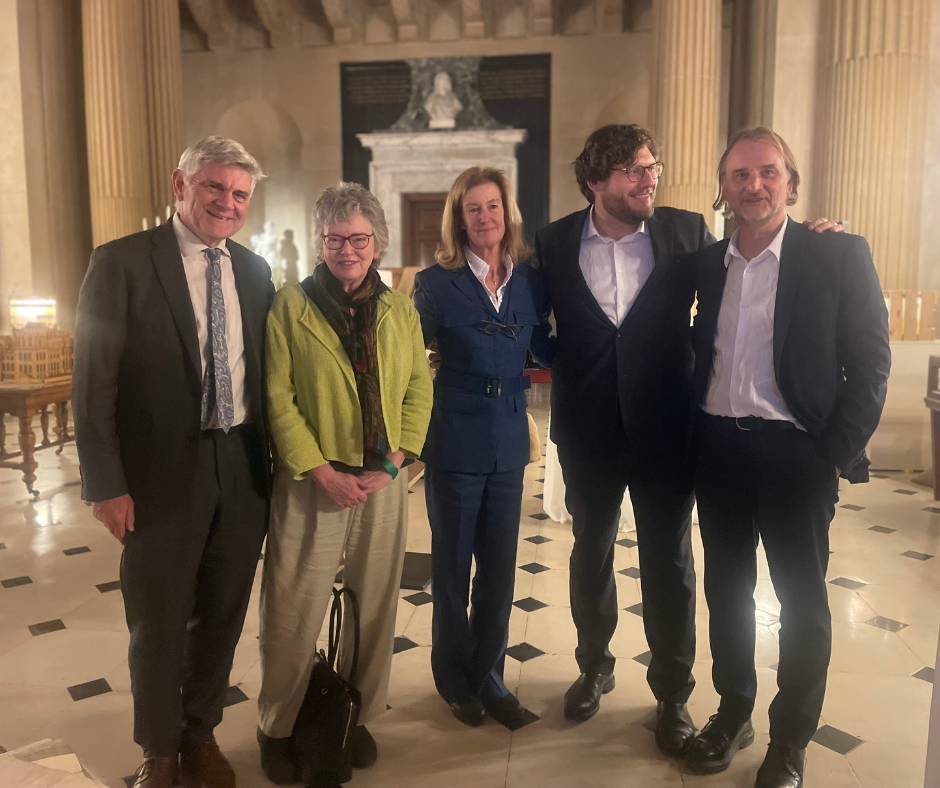
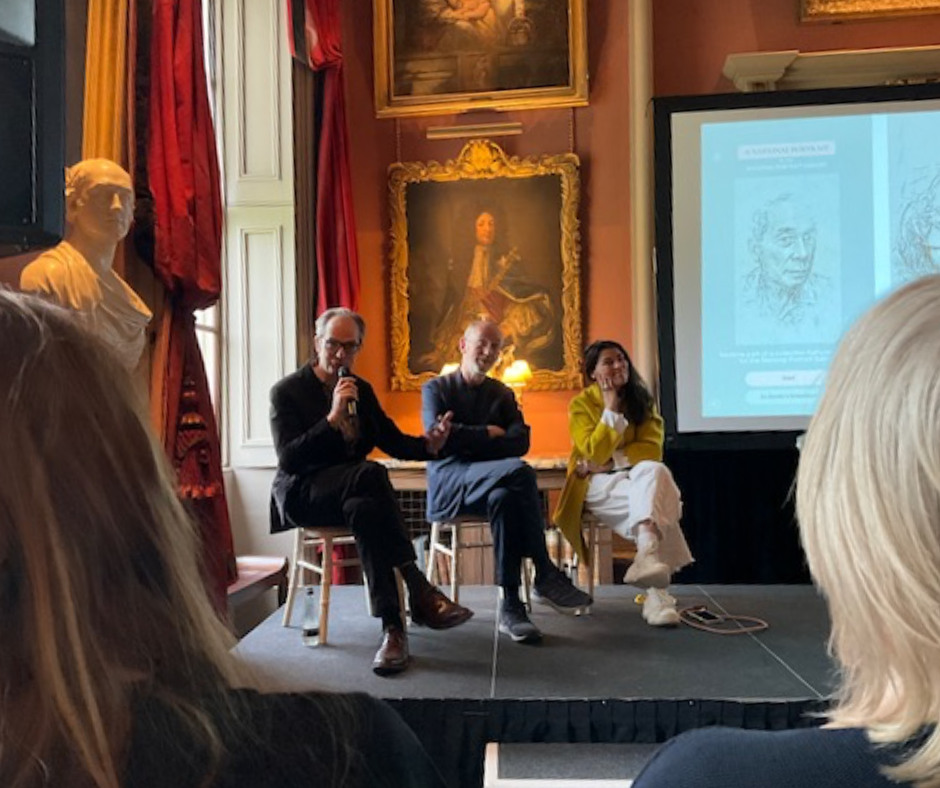
Castle Howard will be holding a panel discussion with the current custodian of the house, the Hon. Nick Howard, the award-winning artist and designer Es Devlin, and specialist architect Francis Terry. Titled Responses to Vanbrugh, the conversation will look at how Nick, born and brought up at Castle Howard, has been absorbing its unique aesthetic his entire life. As a photographer, he’s had the pleasure and privilege of making images which express that aesthetic, and, with each click of the shutter has moved a fraction closer to the mind of the man who created his family home, John Vanbrugh. Es Devlin will also unveil a new installation in Vanbrugh’s Temple of the Four Winds at Castle Howard in June, presenting an innovative response to Vanbrugh’s vision. During the discussion she will offer her perspective on Vanbrugh's work and how it shaped her latest project.

Kimbolton Castle
Thursday 2 July 6pm
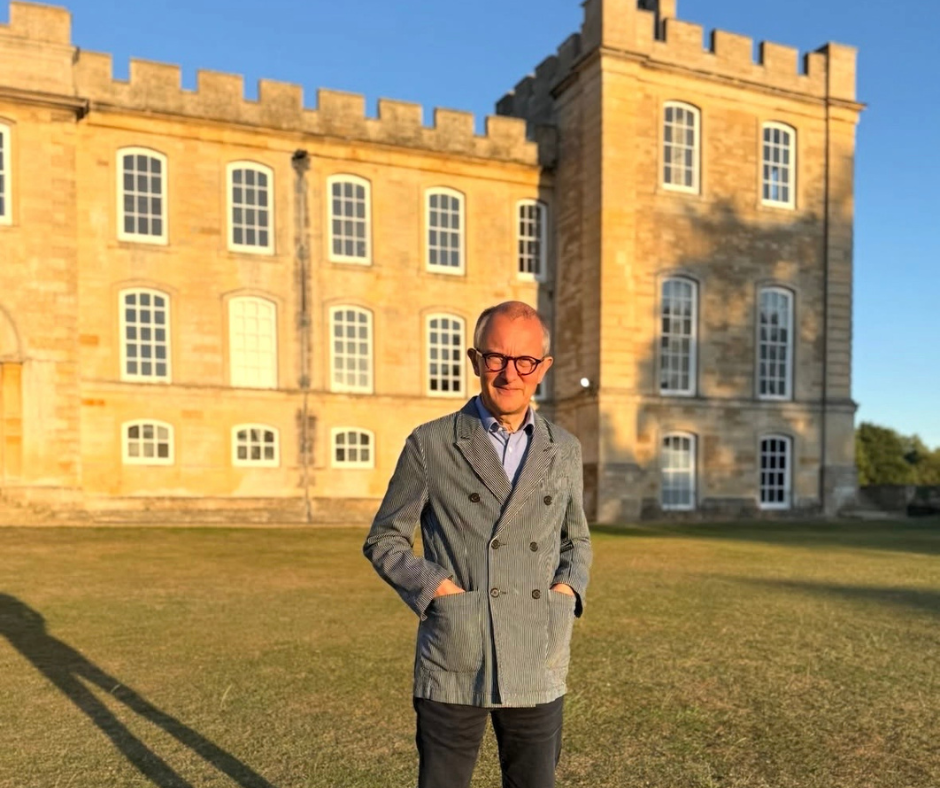
The idyllic setting of Kimbolton Castle provides the perfect backdrop for Dr Simon Thurley CBE to speak about his life-long fascination with Vanbrugh in his lecture Courtier, Playwright and Castle: The Unlikely Making of Kimbolton. A former pupil of Kimbolton school (which has occupied the Castle since 1950), today Simon is a distinguished historian and heritage leader. He is currently serving as Chair of the Delivery Authority for the Restoration and Renewal of the Houses of Parliament, and from 2002 to 2015, he was Chief Executive of English Heritage, where he was responsible for the National Heritage Collection of 420 sites. Inspired by Vanbrugh whilst studying at his alma mater, Simon will present the story of the Great Rebuilding, when Vanbrugh and his then assistant Nicholas Hawksmoor (c.1661-1736), were called in by Charles Edward Montagu (1662-1722), the 4th Earl, to redesign the whole of the Castle’s South Front. It is a tale worthy of one of his plays.

Seaton Delaval Hall
Thursday 8 October 6:30pm
Dr Annette Rubery and Dr Nicolas Helm, experts in the theatre and theatrical architecture of the Restoration period (c.1660-1710), will discuss Sir John Vanbrugh and the Queen's Theatre in the Haymarket, London. When, in the early 1700s, Vanbrugh began making plans for a new London playhouse, he was typically ambitious in his approach: “I have drawn a design for the whole disposition of the inside, very different from any other House in being”, he told his friend Jacob Tonson, the Kit-Cat Club’s secretary. The resulting theatre (unveiled in 1705) sought to combine both dramatic and operatic productions in a visually dynamic setting. However, his project was in many respects a failure, and it was not until the 1720s, after numerous alterations and various attempts at management, did it begin to function effectively.
Tickets are free but must be reserved on a first come, first served basis, so we encourage you to save the date. The sign-up link will be available shortly.