‘In the Footsteps of Vanbrugh’, a Traditional Architecture Group Talk by Francis Terry, a leading figure in contemporary British classical architecture.
12th February 2026, 7:00 - 9:00pm
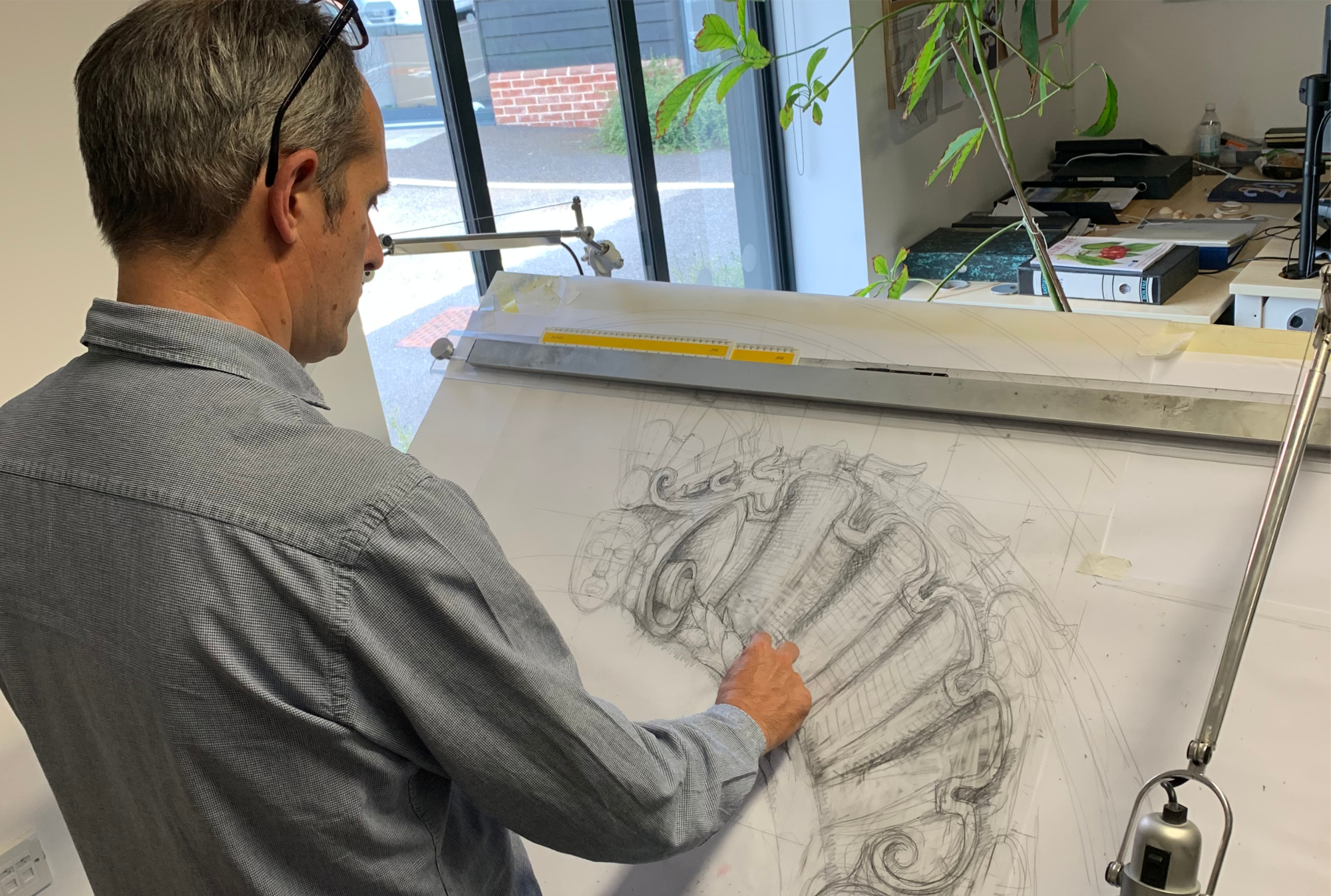
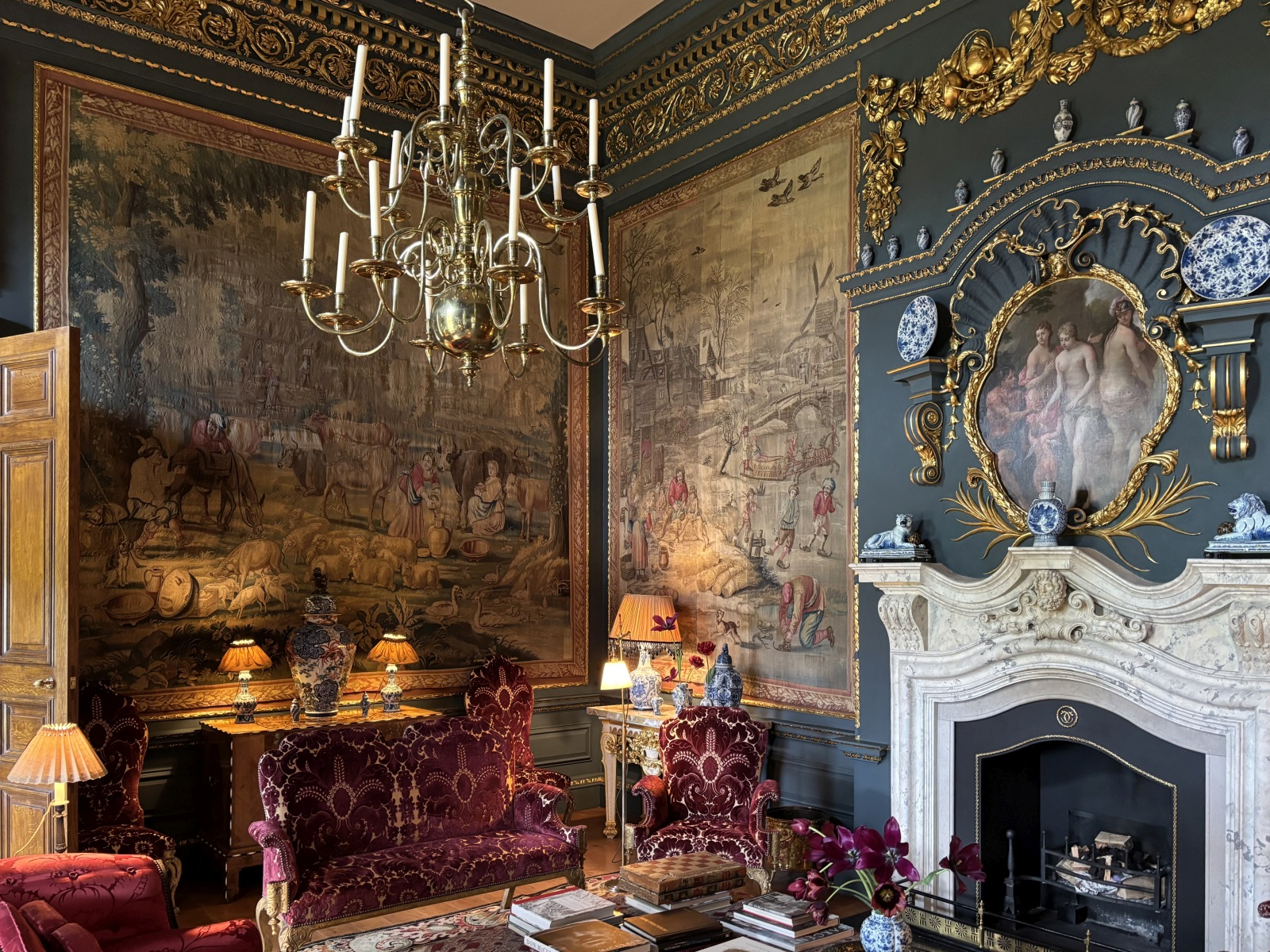
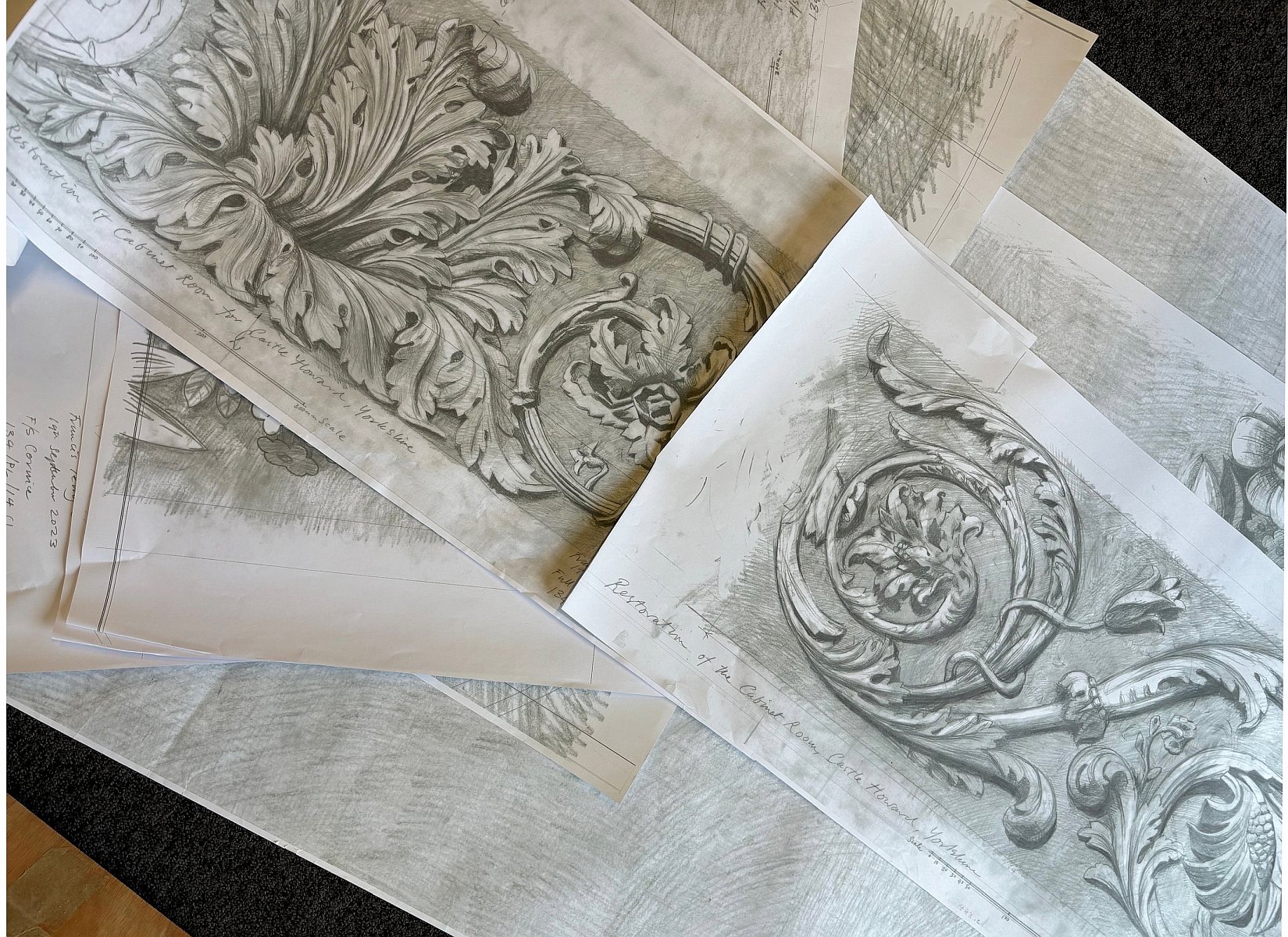
In the three hundredth anniversary year of Sir John Vanbrugh’s death, Francis Terry will be discussing how the great man has influenced his work. In recent years, he has had the privilege of working, quite literally, in Vanbrugh’s footsteps. He is currently working on a new house on the Blenheim Estate for the Marquis and Marchioness of Blandford, and last year he completed the new tapestry drawing room at Castle Howard. As well as working on Vanbrugh’s two principal projects, his influence permeates the speaker’s independent designs. Most notably, Vanbrugh’s Temple of the Four Winds has been the primary influence on a new house he has designed in Dorset, and he is also undertaking a detailed study of Vanbrugh’s contribution to the architecture of Stowe House, a building he knows well from his school days. The talk will cover all of these projects, but it will be primarily focused on the tapestry drawing room at Castle Howard.
Francis Terry is a leading figure in contemporary British classical architecture, widely praised for his deep understanding of historic tradition and his ability to reinterpret it for modern use. His architectural sensibility was shaped early by drawing and by close exposure to historic buildings, particularly during his education at Stowe School in Buckinghamshire. Set within one of England’s greatest Georgian houses and landscapes, Stowe immersed Terry in the architecture of Vanbrugh, Kent, Gibbs, and Leoni, fostering a lifelong devotion to Georgian design that continues to underpin his work. Educated in architecture at the University of Cambridge, Terry went on to spend two decades working with his father, the eminent classicist Quinlan Terry, on major country house and public projects, before establishing his own practice in 2016.
A recent highlight of his independent work is the Tapestry Drawing Room at Castle Howard, where he was commissioned to reimagine a room destroyed by fire in 1940. Designed in the spirit of Sir John Vanbrugh, the room exemplifies Terry’s scholarly yet imaginative approach to classical architecture.
Book Your Tickets!
 Back to homepage